Essential Tips for Visiting the Louvre and French Museums

Discover expert-curated itineraries, practical advice, and insider secrets to make the most of every moment at the world's greatest museums in France.

Get Our Best Tips

Curated Itineraries

Follow expertly designed routes through every major gallery, optimized for time and enjoyment

Skip-the-Line Strategies

Learn proven techniques to minimize wait times and maximize your hours inside the museum

Hidden Gems Revealed

Discover overlooked masterpieces and secret corners that most guidebooks completely ignore

Essential Tips for Planning Your Perfect Museum Visit

Visiting the Louvre or any of France's magnificent museums can be an overwhelming experience without proper preparation. With over 35,000 works of art spread across 652,300 square feet of gallery space, the Louvre alone could take weeks to explore in its entirety. That is why having a solid plan before you step through those iconic glass pyramid doors is absolutely essential for making the most of your time. Start by purchasing your tickets online well in advance. The Louvre offers timed-entry tickets that significantly reduce your waiting time compared to standing in the general admission queue, which can stretch for hours during peak tourist season. We recommend booking morning slots, particularly the earliest available entry at 9:00 AM, when the galleries are at their quietest and you can enjoy masterpieces like the Mona Lisa and the Venus de Milo without fighting through dense crowds. Plan your route before you arrive. The museum is divided into three main wings — Denon, Sully, and Richelieu — and each offers a distinct collection. If this is your first visit, consider focusing on just one or two wings rather than attempting to see everything in a single day. The Denon Wing houses the most famous works, including Italian Renaissance paintings and classical sculptures, making it the ideal starting point for first-time visitors. Wear comfortable shoes and dress in layers. Museum floors are hard, and you will be walking for several hours. The temperature inside can vary significantly from room to room, so having the ability to adjust your clothing will keep you comfortable throughout your visit. Bring a small water bottle and a light snack, though be mindful of museum rules regarding food consumption in gallery spaces. Take advantage of free admission days and reduced-rate periods. The Louvre offers free entry on the first Saturday evening of each month and is always free for visitors under 18 years of age. Many other French museums participate in similar programs, especially during European Heritage Days in September, when hundreds of cultural sites open their doors at no charge. Consider renting an audio guide or downloading the official museum app before your visit. These tools provide invaluable context about the artworks you are viewing, transforming a simple walk through galleries into a rich educational experience. The Louvre's multimedia guide is available in multiple languages and offers curated thematic tours that can help you navigate the vast collections with purpose and direction. Finally, do not underestimate the value of taking breaks. The museum cafés and garden courtyards offer wonderful spaces to rest, reflect on what you have seen, and recharge before continuing your exploration. A well-paced visit with intentional pauses will always be more rewarding than a rushed attempt to check every masterpiece off your list.

About lelouvrvisits — Your Trusted Museum Guide

Welcome to lelouvrvisits, your comprehensive online resource dedicated to exploring the magnificent museums of France, with a special focus on the world-renowned Louvre. We are passionate about making art and culture accessible to everyone, whether you are a first-time visitor planning your dream trip to Paris or a seasoned museum enthusiast looking for insider knowledge and hidden gems. Our team of experienced writers, art historians, and travel enthusiasts has spent years wandering the grand halls of French museums, studying their collections, and uncovering the stories behind the masterpieces. We bring this wealth of knowledge directly to you through carefully crafted guides, practical tips, recommended itineraries, and in-depth articles that help you make the most of every museum visit. At lelouvrvisits, we believe that visiting a museum should be more than just walking through galleries — it should be a transformative experience. That is why our visit guides go beyond the basics. We provide detailed route suggestions tailored to different interests and time constraints, highlight must-see works alongside lesser-known treasures, and share practical advice on everything from ticket purchasing strategies to the best times to avoid crowds. Our content covers not only the Louvre but also other iconic French institutions such as the Musée d'Orsay, the Centre Pompidou, the Palace of Versailles, and numerous regional museums that deserve far more attention than they typically receive. We are constantly updating our articles to reflect the latest exhibitions, policy changes, and visitor experiences. Whether you are researching from home or browsing on your phone while standing in line at the Pyramid, lelouvrvisits is designed to be your reliable companion. We are committed to delivering accurate, engaging, and genuinely useful content that enriches your cultural journey through France. Join our growing community of art lovers and museum explorers, and let us help you discover the extraordinary stories waiting behind every museum door.
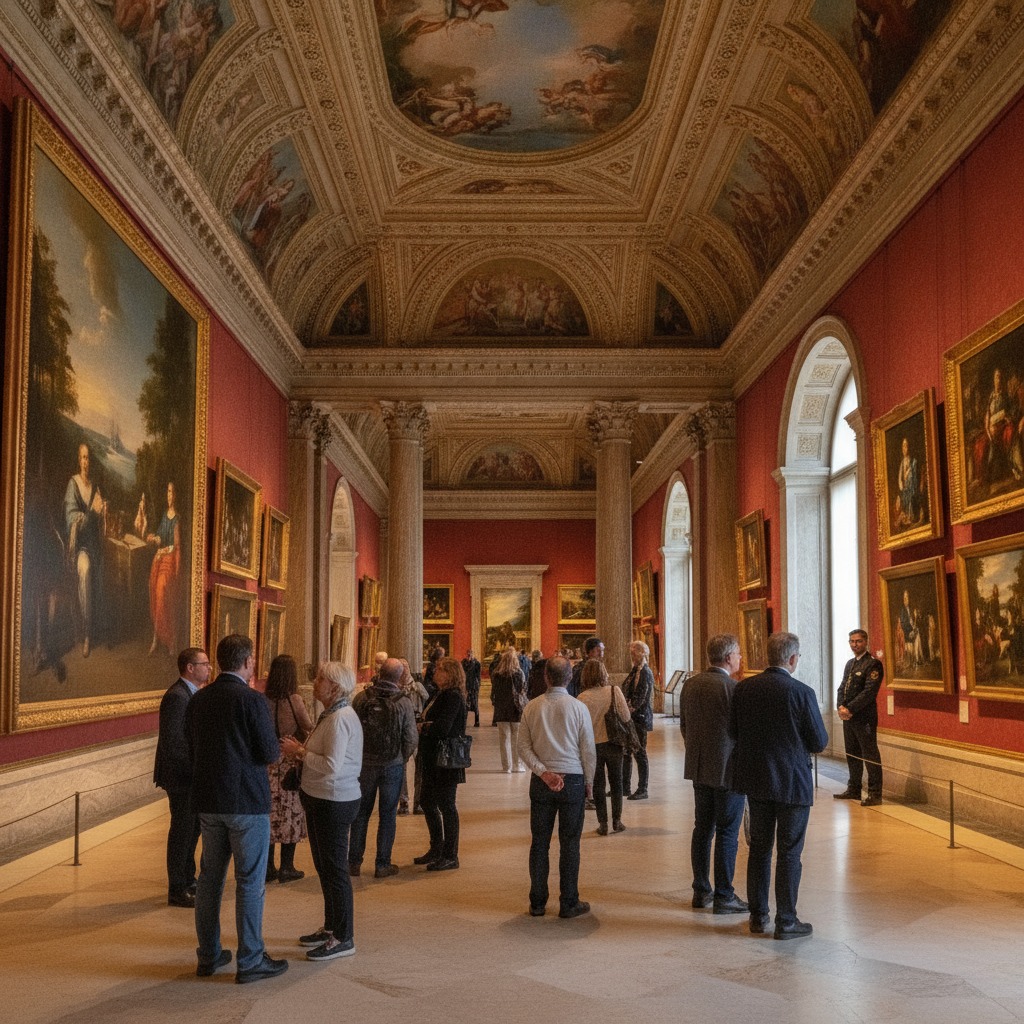
Navigating the Louvre Like a Seasoned Traveler

The Louvre is not just a museum — it is a universe of art, history, and culture spread across 72,735 square meters of exhibition space. With over 35,000 works on display and more than 400 rooms to explore, even the most enthusiastic visitor can feel overwhelmed without a solid plan. That is why understanding the layout, timing your visit, and prioritizing your must-see masterpieces are essential steps before you ever set foot inside the iconic glass pyramid. One of the most effective strategies is to enter through the lesser-known entrances rather than the main pyramid. The Passage Richelieu entrance, accessible from Rue de Rivoli, and the Carrousel du Louvre underground entrance often have significantly shorter queues, especially during peak tourist season from June through September. Arriving early in the morning, ideally when the museum opens at 9:00 AM, or visiting during the extended Wednesday and Friday evening hours until 9:45 PM, can dramatically reduce your wait time and give you a more intimate experience with the art. When planning your itinerary, consider organizing your visit by wing rather than trying to zigzag across the entire museum. The Louvre is divided into three main wings — Denon, Sully, and Richelieu — each offering distinct collections. The Denon Wing houses the most famous works, including the Mona Lisa, the Winged Victory of Samothrace, and masterpieces of Italian and French painting. The Sully Wing takes you through Egyptian antiquities and the medieval foundations of the original Louvre fortress. The Richelieu Wing showcases Northern European paintings, decorative arts, and the breathtaking Napoleon III apartments. Do not attempt to see everything in a single visit. Museum fatigue is real, and trying to absorb too much in one day diminishes the impact of each artwork. Instead, select two or three collections that genuinely interest you and dedicate meaningful time to them. Many seasoned visitors recommend spending no more than three to four hours per visit, allowing yourself breaks at the museum's cafés to rest and reflect on what you have seen. Beyond the Louvre, France's museum landscape offers extraordinary diversity. The Musée d'Orsay, housed in a stunning former railway station, is home to the world's finest collection of Impressionist art. The Centre Pompidou challenges visitors with bold contemporary works, while regional gems like the Musée des Beaux-Arts in Lyon and the Musée Unterlinden in Colmar provide deeply rewarding experiences without the crowds. Each museum has its own rhythm, and learning to match your energy and curiosity to the venue will transform every visit into a memorable journey. Finally, always check for temporary exhibitions and special events before your visit. French museums regularly host world-class temporary shows that can rival their permanent collections in quality and significance. Booking tickets online in advance, downloading official museum apps for self-guided tours, and carrying a portable phone charger are small but powerful steps that ensure a smooth, enriching experience every time.

From skip-the-line strategies to hidden masterpieces most tourists walk right past, our curated features help you experience French museums like a true insider.

Why Thousands of Visitors Trust Our Museum Guides

Curated Itineraries for Every Schedule

Whether you have two hours or an entire day, our carefully designed itineraries ensure you see the highlights that matter most. We offer routes tailored to art lovers, history buffs, families with children, and first-time visitors. Each itinerary includes estimated walking times, rest stop suggestions, and alternative paths to avoid the most crowded galleries during peak hours.

Skip-the-Line Strategies That Actually Work

Long queues at the Louvre and other major French museums can consume hours of your precious vacation time. Our tested strategies reveal the best entry points, optimal arrival times for each season, and lesser-known ticket options that let you bypass the main lines entirely. We update these tips regularly based on real visitor feedback and current museum policies to keep you ahead of the crowds.

Hidden Gems and Overlooked Masterpieces

Beyond the Mona Lisa and Venus de Milo lie thousands of extraordinary works that most visitors never discover. Our expert guides spotlight lesser-known galleries, secret courtyards, and overlooked masterpieces across the Louvre and museums throughout France. Explore Mesopotamian antiquities, Renaissance drawings, and Napoleon III's lavish apartments with the context and stories that bring each piece to life.

Practical Visitor Information Updated Weekly

Museum hours change, new exhibitions open, and ticket prices fluctuate throughout the year. Our team monitors these updates across every major French museum so you never arrive to a closed door or unexpected renovation. From metro directions and nearby dining recommendations to accessibility details and photography rules, we provide the practical information that guidebooks often miss or publish outdated.

Family-Friendly Museum Experiences

Visiting world-class museums with children requires a different approach, and we have you covered with age-appropriate activity suggestions, interactive scavenger hunts, and kid-friendly routes. Discover which galleries captivate young minds, where to find family rest areas, and how to keep everyone engaged without museum fatigue. Our family guides transform potentially overwhelming visits into unforgettable educational adventures.

Seasonal and Exhibition-Specific Guides

France's museums host spectacular temporary exhibitions throughout the year, from blockbuster retrospectives at the Grand Palais to intimate shows at Musée d'Orsay. Our seasonal guides help you plan visits around these limited-time events, providing exhibition previews, recommended viewing orders, and combined itineraries that pair permanent collections with current shows for a richer cultural experience.

Navigating the Louvre: Insider Strategies for an Unforgettable Experience

The Louvre is not just a museum — it is a sprawling palace of art and history that spans over 72,735 square meters of exhibition space. With more than 35,000 works on display across eight curatorial departments, attempting to see everything in a single visit is not only unrealistic but counterproductive. The key to a truly rewarding experience lies in strategic planning, and that is exactly what lelouvrvisits is here to help you achieve. Start by choosing your entrance wisely. While most visitors flock to the iconic glass Pyramid entrance, seasoned museum-goers know that the Passage Richelieu and the Porte des Lions offer significantly shorter wait times, especially during peak tourist season from April through September. If you arrive via the Carrousel du Louvre underground shopping mall, you can bypass the outdoor queues entirely. Purchasing your tickets online in advance is essential, as timed-entry slots help regulate crowd flow and guarantee your admission on busy days. Once inside, resist the temptation to rush toward the Mona Lisa immediately. Instead, consider beginning your visit in the less-trafficked wings such as the Department of Near Eastern Antiquities or the spectacular Napoleon III Apartments. These areas offer breathtaking collections without the overwhelming crowds. When you do visit the Denon Wing to see Leonardo da Vinci's masterpiece, aim for early morning or late afternoon when foot traffic naturally thins out. Wednesday and Friday evenings, when the museum stays open until 9:45 PM, are particularly magical times to explore. Crafting a thematic itinerary can transform your visit from overwhelming to deeply enriching. Consider organizing your route around a specific era, artistic movement, or cultural theme. For example, you might trace the evolution of French painting from the medieval period through Romanticism, or follow the journey of ancient Egyptian artifacts from the Nile Valley to Parisian galleries. lelouvrvisits regularly publishes curated routes designed for two-hour, half-day, and full-day visits to suit every schedule. Practical comfort matters more than most visitors anticipate. Wear comfortable walking shoes, as you will cover several kilometers even during a focused visit. Bring a refillable water bottle and plan a break at one of the museum's cafés — Café Mollien offers stunning views over the sculpture courtyard. Free Wi-Fi is available throughout the museum, making it easy to access digital guides and interactive maps on your smartphone. Finally, do not overlook the museum's free admission days and discounted programs. Visitors under 18 always enter free, EU residents under 26 enjoy complimentary access, and the first Saturday evening of each month offers free entry to all. Planning around these opportunities can make world-class art accessible to every budget, ensuring that the treasures of the Louvre remain open to everyone who seeks inspiration.

Begin Your Cultural Journey Today

Join thousands of savvy travelers who rely on lelouvrvisits for expert itineraries, insider tips, and practical guides that transform ordinary museum trips into extraordinary cultural experiences across France.

Explore Our Visitor Guides