The Extraordinary History of the Louvre Museum

From a medieval fortress built to defend Paris to the world's most visited museum, discover the remarkable eight-century journey of the Louvre through wars, revolutions, and artistic triumphs.
The Extraordinary History of the Louvre Museum

From Medieval Fortress to World-Famous Museum: The Louvre's Remarkable Journey

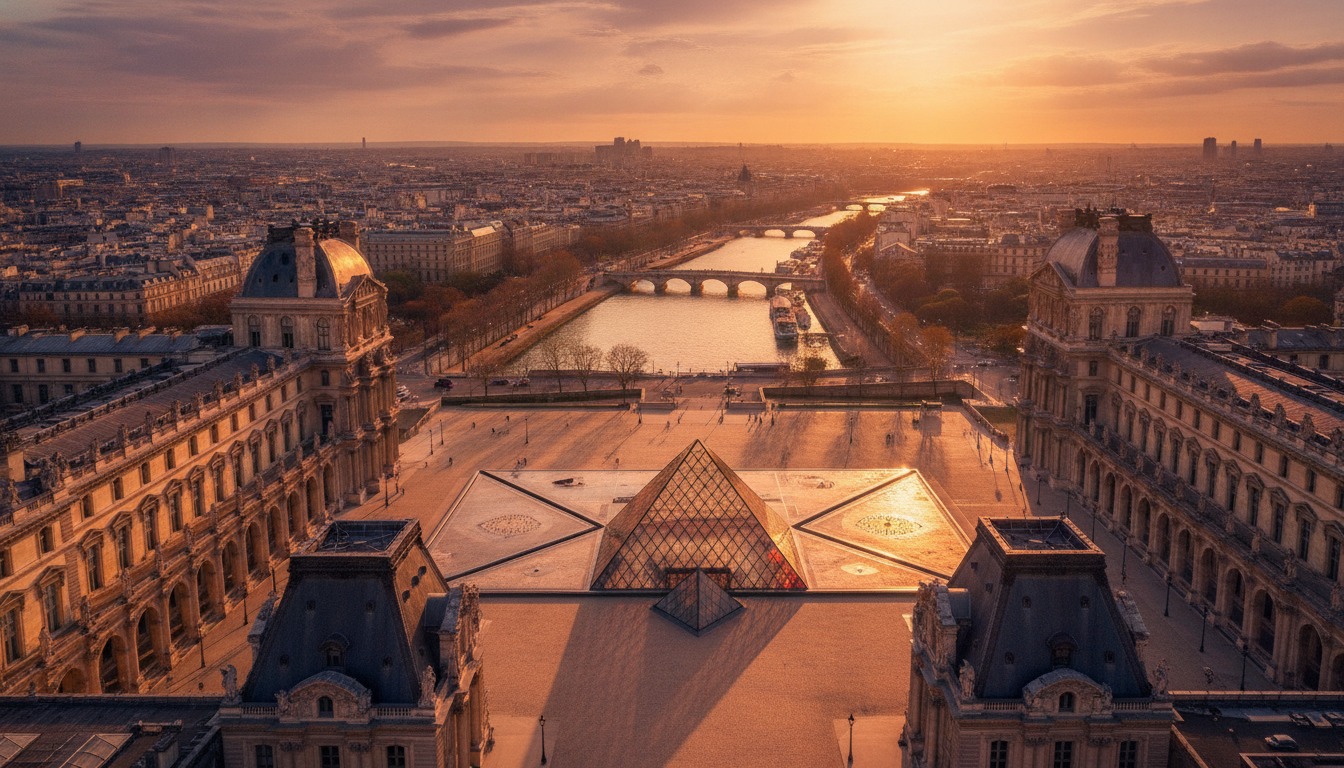
The story of the Louvre begins not with art, but with war. In 1190, King Philip II of France ordered the construction of a massive fortress on the right bank of the Seine River. Its primary purpose was purely defensive — to protect Paris from potential Viking raids and English invasions coming from the west. This original structure, known as the Louvre Castle, featured a large central tower surrounded by thick walls and a deep moat. For over a century, it served as an armory, a treasury, and even a prison, standing as a symbol of royal military power rather than cultural refinement. The transformation of the Louvre from a cold, imposing fortress into a royal residence began in the 14th century under King Charles V. He commissioned extensive renovations, adding luxurious living quarters, a magnificent library containing over 900 manuscripts, and elaborate gardens. Charles V was the first monarch to envision the Louvre as something more than a defensive stronghold. His renovations introduced stained glass windows, spiral staircases, and ornamental towers that softened the building's austere military character. The Renaissance period brought the most dramatic changes to the Louvre's identity. King Francis I, deeply inspired by Italian art and architecture after his military campaigns in Italy, demolished much of the medieval fortress in 1546 and commissioned architect Pierre Lescot to design a new palace in the Renaissance style. Francis I also began assembling the royal art collection that would eventually become the museum's foundation, acquiring masterpieces including Leonardo da Vinci's iconic Mona Lisa. Successive monarchs — Henry II, Catherine de Medici, Henry IV, and Louis XIV — each expanded and embellished the palace, adding wings, galleries, and courtyards that gradually shaped the sprawling complex we recognize today. When Louis XIV moved the royal court to the Palace of Versailles in 1682, the Louvre entered a period of relative neglect. However, this shift ultimately proved beneficial for the building's future as a cultural institution. Artists and academics began occupying the vacant spaces, and proposals emerged to convert the palace into a public museum. The French Revolution of 1789 accelerated this vision dramatically. On August 10, 1793, the Musée Central des Arts opened its doors in the Grande Galerie, displaying 537 paintings to the public for the first time. This revolutionary act transformed a symbol of royal privilege into a monument of democratic access to culture. Napoleon Bonaparte further expanded both the museum and its collections, renaming it the Musée Napoléon and filling its halls with treasures acquired — and often seized — during his military conquests across Europe and Egypt. Although many of these works were returned after his defeat at Waterloo, the Louvre's reputation as a world-class repository of art was firmly established. The most recent major transformation came in 1989 when President François Mitterrand unveiled the Grand Louvre project, featuring I.M. Pei's iconic glass pyramid in the Cour Napoléon. Initially controversial, the pyramid has become one of the most recognizable architectural landmarks in the world and serves as the museum's main entrance. Today, the Louvre spans over 72,000 square meters of exhibition space, houses more than 380,000 objects, and welcomes nearly 10 million visitors annually, making it the most visited museum on the planet.

About lelouvrvisits: Your Gateway to French Museum Heritage

The Louvre Through the Ages: Key Chapters in Its Storied Past

The story of the Louvre begins in 1190, when King Philip II of France ordered the construction of a massive fortress on the right bank of the Seine. This original structure was not a palace of art and beauty but a military stronghold, complete with a central keep, thick defensive walls, and a moat designed to protect Paris from attacks arriving via the river. For nearly two centuries, the fortress served its martial purpose, standing as a symbol of royal power and Parisian resilience against foreign threats. The transformation from fortress to royal residence began in the 14th century under King Charles V, who recognized the strategic location's potential for something grander. He commissioned extensive renovations, adding luxurious living quarters, a renowned library of over 900 manuscripts, and elegant gardens. The medieval keep was softened with tapestries and fine furnishings, marking the first step in the Louvre's long metamorphosis from a place of war to a sanctuary of culture and refinement. The Renaissance brought the most dramatic architectural changes. King Francis I, deeply inspired by Italian art and architecture, demolished much of the original medieval structure in 1546 and enlisted architect Pierre Lescot to reimagine the Louvre as a Renaissance masterpiece. Francis I also began the royal art collection that would eventually become the museum's foundation, famously acquiring Leonardo da Vinci's Mona Lisa and inviting the master himself to live in France. Successive monarchs, including Henry IV and Louis XIV, continued to expand both the palace and its collections, each leaving an indelible mark on the building's evolving grandeur. The French Revolution of 1789 proved to be the pivotal turning point in the Louvre's destiny. As the monarchy fell, revolutionary leaders declared that the royal art collections belonged not to kings but to the people of France. On August 10, 1793, the Musée Central des Arts opened its doors within the Louvre, displaying 537 paintings for public viewing free of charge. This radical act transformed the Louvre from a symbol of aristocratic privilege into a beacon of democratic access to art and knowledge. Napoleon Bonaparte further shaped the museum's identity during his reign, aggressively expanding its collections through conquests across Europe and Egypt. He renamed it the Musée Napoléon and filled its halls with thousands of masterworks seized from conquered territories. Although many of these works were eventually returned after his defeat at Waterloo, Napoleon's ambition permanently established the Louvre as a world-class institution with global aspirations. The 20th century brought perhaps the most controversial yet visionary addition to the Louvre. In 1989, architect I.M. Pei's glass pyramid was unveiled in the main courtyard, sparking fierce debate among Parisians and art lovers worldwide. Today, the pyramid is celebrated as an iconic fusion of modern design and historical architecture, welcoming millions of visitors each year into a museum that continues to honor its extraordinary past while embracing the future.

Key Chapters in the Louvre's Storied History

Explore the defining eras and transformative moments that shaped the Louvre from a 12th-century stronghold into the cultural treasure it is today

The Medieval Fortress (1190–1546)

King Philippe Auguste commissioned the original Louvre as a defensive fortress in 1190 to protect Paris from Viking and English invasions. This imposing stone structure featured a massive central keep surrounded by thick walls and a deep moat. For centuries, it served as a royal treasury and arsenal before the French monarchy began envisioning it as something far grander. Remnants of the medieval foundations can still be explored beneath the modern museum today.

Renaissance Transformation and Royal Palace

Under King François I in the 1540s, the medieval fortress was demolished and replaced with an elegant Renaissance palace designed by architect Pierre Lescot. François I, a passionate art collector, brought masterpieces from Italy — including the Mona Lisa — to adorn the new royal residence. Successive monarchs expanded the palace with grand galleries, ornate facades, and lavish apartments, establishing the Louvre as a symbol of royal power and refined taste across Europe.

The French Revolution and Birth of a Museum

The French Revolution of 1789 transformed the Louvre's destiny forever. On August 10, 1793, the revolutionary government opened the Louvre as a public museum, making the royal art collection accessible to all citizens for the first time. This radical act democratized culture and established a model that museums worldwide would follow. The initial collection featured 537 paintings, and the museum quickly became a symbol of enlightenment, education, and the people's right to beauty.

Napoleonic Expansion and Artistic Ambition

Napoleon Bonaparte dramatically expanded the Louvre's collection through military conquests across Europe and Egypt. He renamed it the Musée Napoléon and filled its halls with thousands of seized artworks, antiquities, and sculptures from conquered territories. Although many pieces were returned after his defeat at Waterloo, Napoleon's ambition permanently elevated the Louvre's status as a world-class institution and inspired the acquisition strategies that would continue for generations.

The Grand Louvre and the Glass Pyramid

President François Mitterrand launched the ambitious Grand Louvre project in 1981, commissioning architect I.M. Pei to modernize the museum's entrance. The iconic glass pyramid, completed in 1989, initially sparked fierce controversy among Parisians but has since become one of the most recognizable architectural landmarks on Earth. The renovation doubled exhibition space, created underground galleries, and transformed visitor circulation, ushering the Louvre confidently into the modern era.

The Louvre Today: A Living Cultural Monument

Today the Louvre welcomes nearly ten million visitors annually, housing over 380,000 objects and displaying approximately 35,000 works across eight curatorial departments. From ancient Egyptian sarcophagi to Delacroix's revolutionary canvases, the museum spans thousands of years of human creativity. Ongoing digital initiatives, international partnerships like the Louvre Abu Dhabi, and continuous restoration projects ensure that this extraordinary institution remains vibrant, accessible, and relevant for future generations.

The Louvre Through the Ages: Key Chapters in Its Storied Past

The story of the Louvre begins in 1190, when King Philip II of France ordered the construction of a massive fortress on the right bank of the Seine. This imposing stronghold, complete with a great tower and thick defensive walls, was designed to protect Paris from potential attacks by the English and Vikings. For over a century, the fortress served its military purpose, standing as a symbol of royal power and Parisian resilience. The remnants of this original medieval structure can still be explored today in the museum's underground galleries, offering visitors a tangible connection to the Louvre's earliest days. The transformation from fortress to royal residence began in the 14th century under King Charles V, who converted the austere military structure into a more comfortable palace. He installed his famous library of over 900 manuscripts within its walls, marking the Louvre's first association with culture and learning. However, it was during the Renaissance that the Louvre truly began to take the shape we recognize today. King Francis I, deeply inspired by Italian art and architecture, demolished much of the old fortress in 1546 and commissioned architect Pierre Lescot to design an elegant Renaissance palace in its place. Francis I also began the royal art collection that would eventually become the core of the museum's holdings, acquiring masterpieces such as Leonardo da Vinci's Mona Lisa. Over the following centuries, successive monarchs expanded and embellished the Louvre. Henry IV connected the palace to the nearby Tuileries Palace through the construction of the Grande Galerie, one of the longest corridors in the world at the time. Louis XIV added the magnificent Colonnade facade and filled the palace with extraordinary works of art before ultimately moving the royal court to Versailles in 1682. This relocation proved pivotal, as the Louvre gradually transitioned from a seat of power to a haven for artists and intellectuals. The French Revolution of 1789 proved to be the most decisive turning point in the Louvre's history. On August 10, 1793, the revolutionary government opened the Musée Central des Arts in the Grande Galerie, making the former royal collections accessible to the public for the first time. This radical act democratized art and culture, establishing a model that museums around the world would follow. Napoleon Bonaparte later expanded the collections dramatically through military campaigns, bringing treasures from across Europe and Egypt to fill the Louvre's galleries. The 19th and 20th centuries saw continued growth and modernization. Napoleon III completed the architectural ensemble of the Louvre, and the museum's collections swelled with archaeological discoveries and generous donations. Perhaps the most dramatic modern addition came in 1989, when President François Mitterrand unveiled I.M. Pei's iconic glass pyramid in the Cour Napoléon. Initially controversial, the pyramid has since become one of the most recognized architectural landmarks in the world and serves as the museum's main entrance. Today, the Louvre houses more than 380,000 objects spanning thousands of years of human civilization, welcoming nearly ten million visitors annually and standing as an enduring testament to the power of art and history.

Dive Deeper Into the Louvre's Fascinating Legacy

Subscribe to lelouvrvisits and receive exclusive articles, hidden stories, and expert insights about the Louvre and France's greatest museums delivered straight to your inbox every week.

Subscribe Now